Sintered Diamond Tools for Long Life on Hard Materials
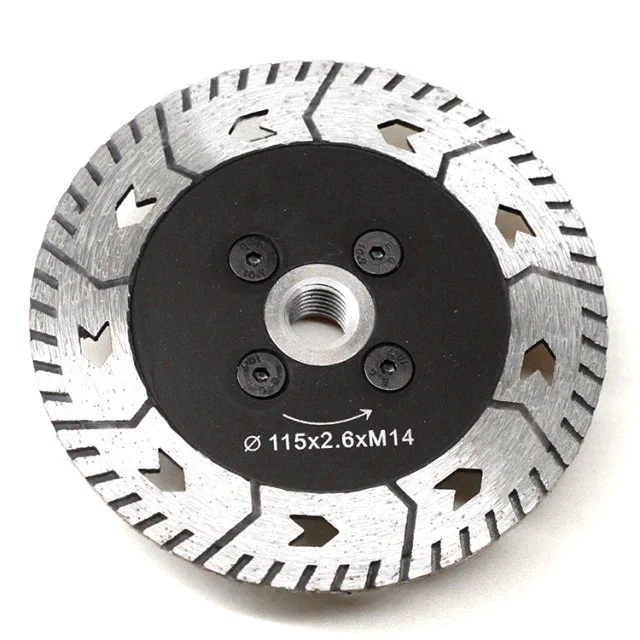
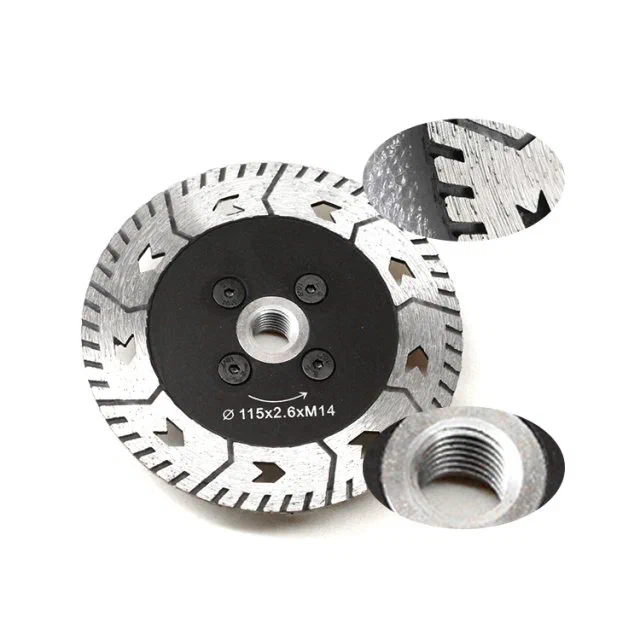
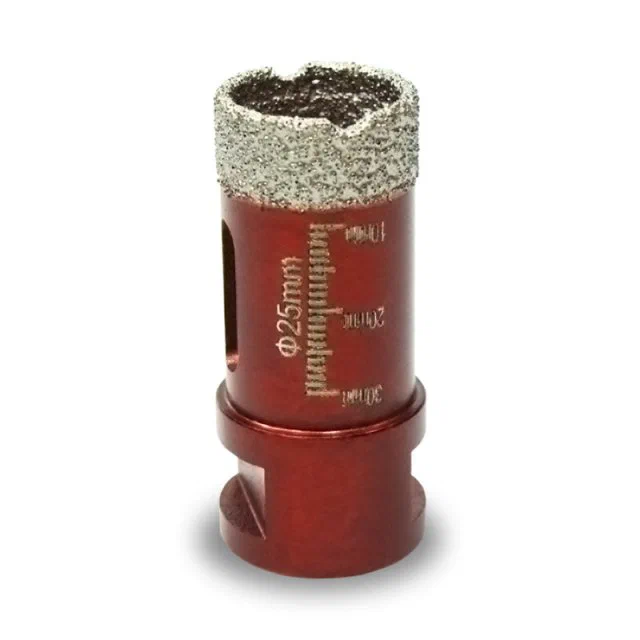
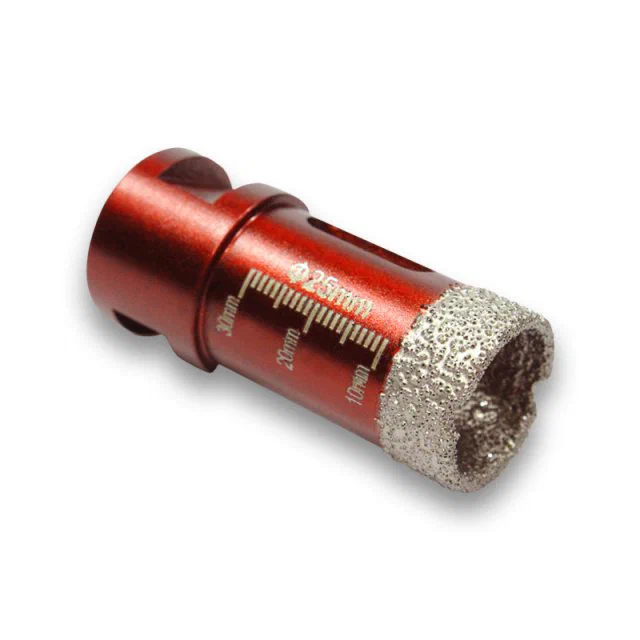
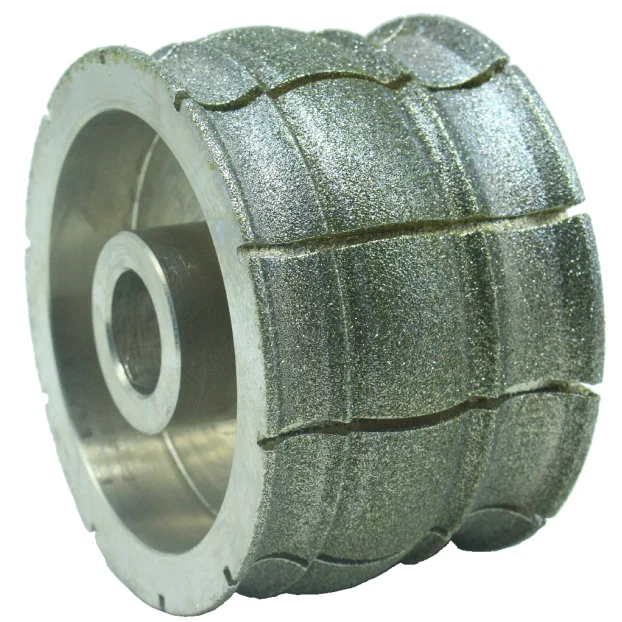
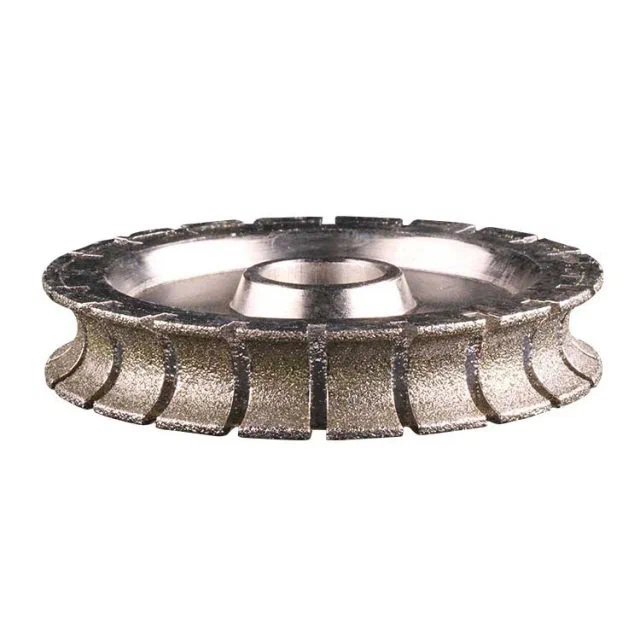
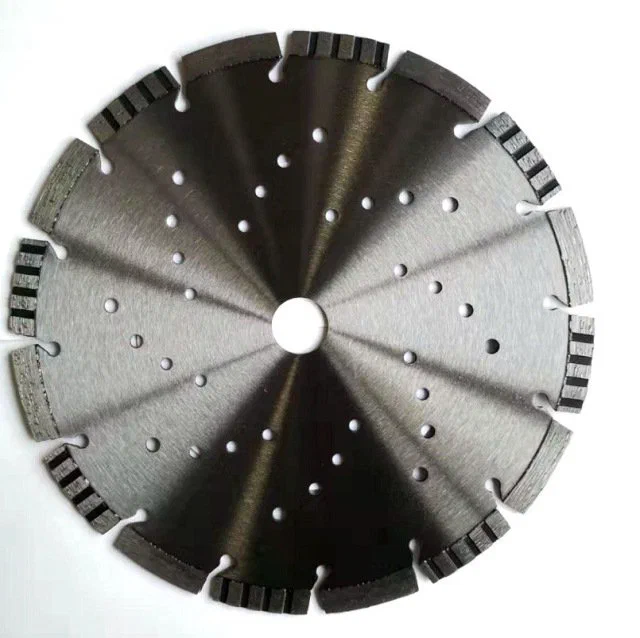
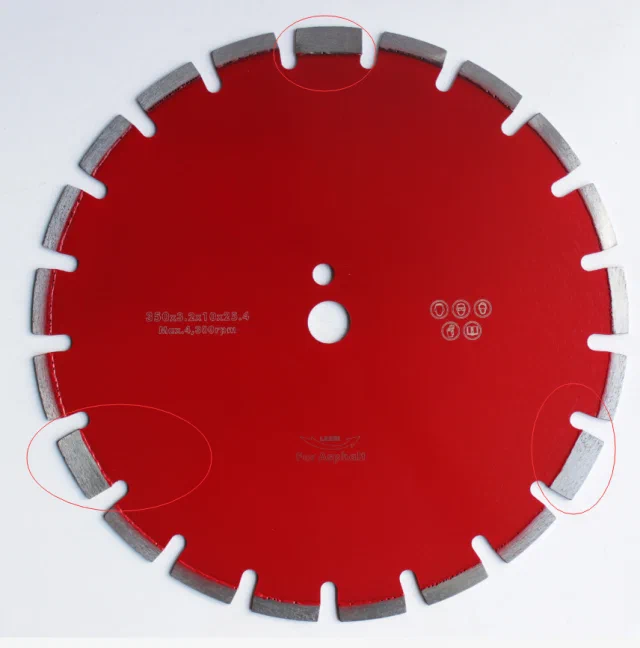
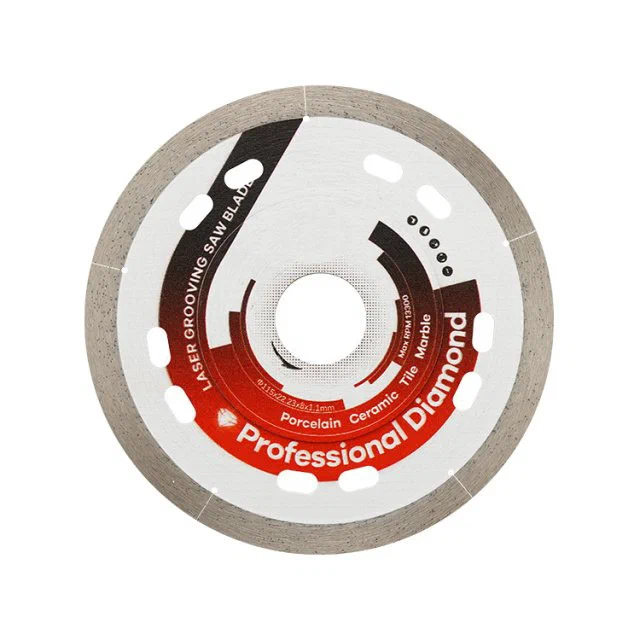
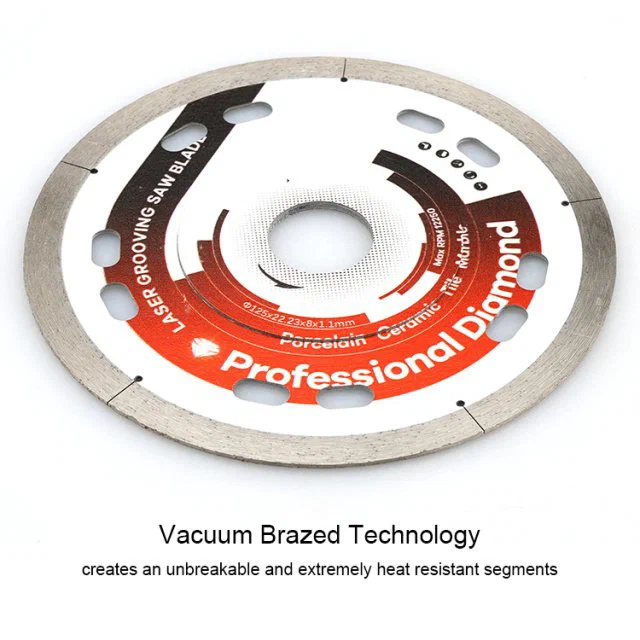
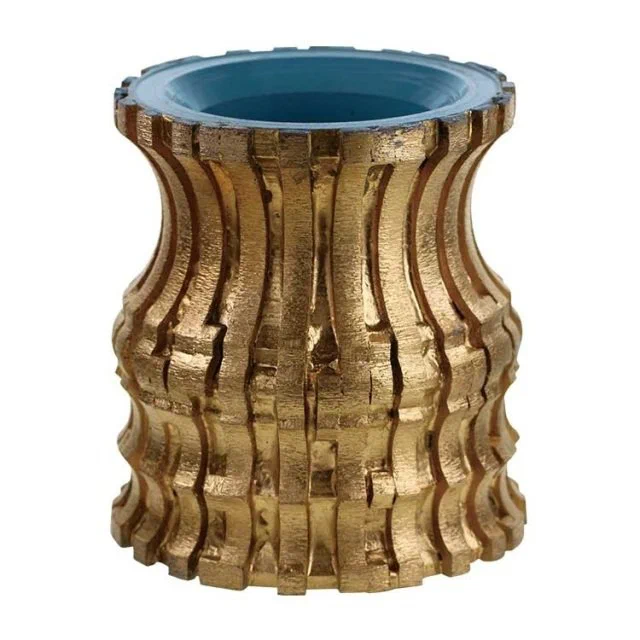
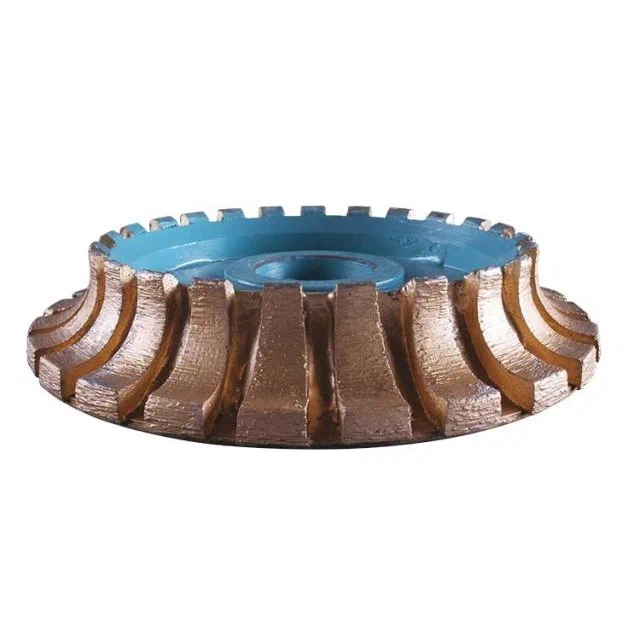
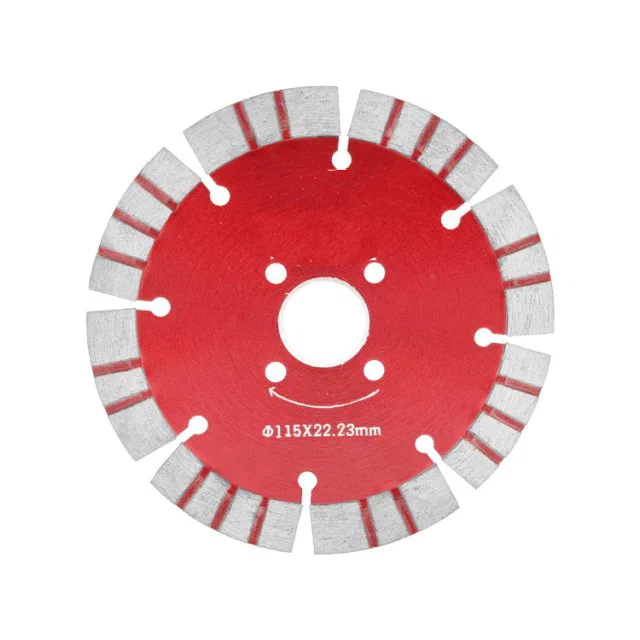
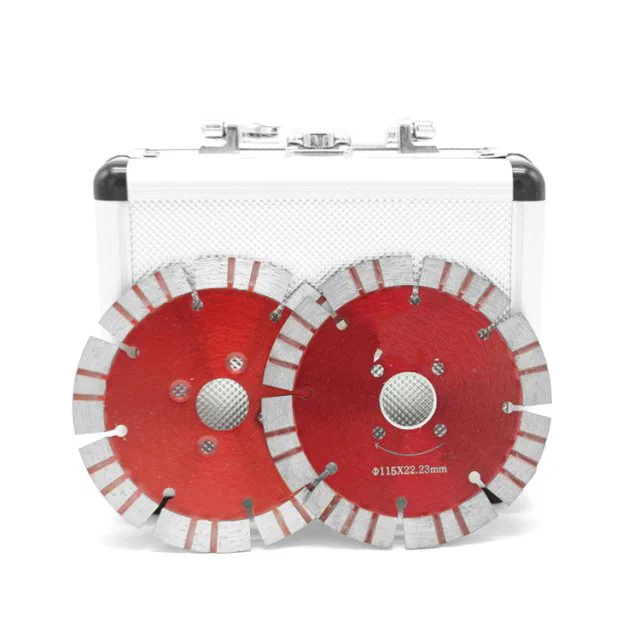
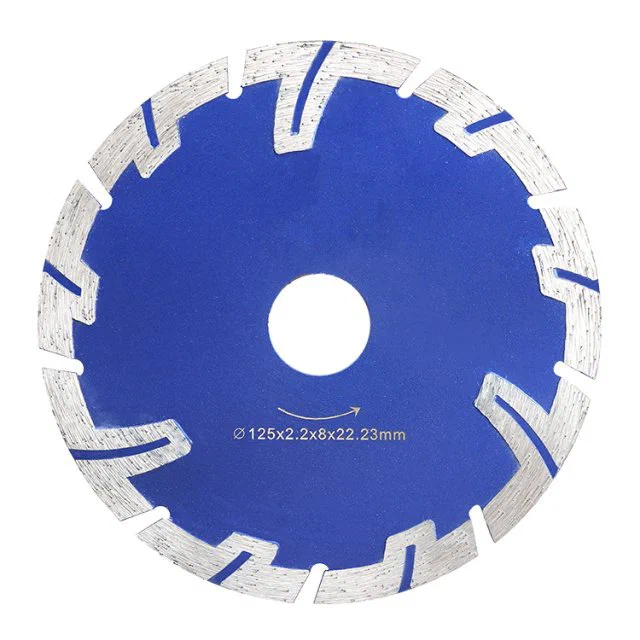
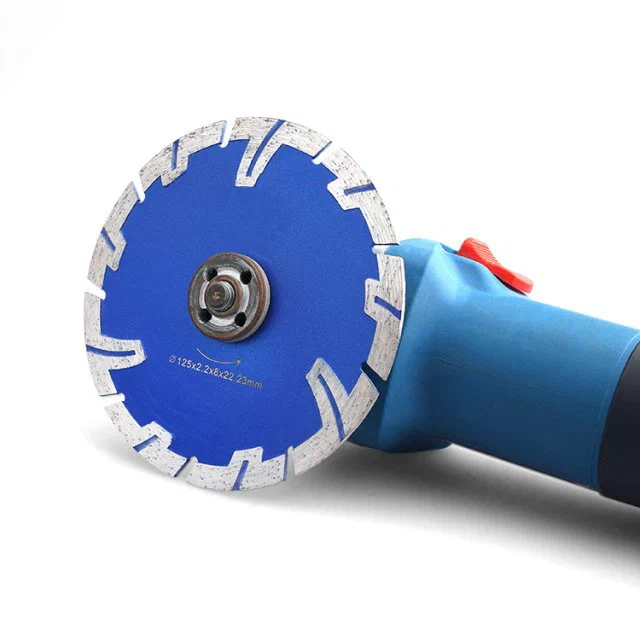
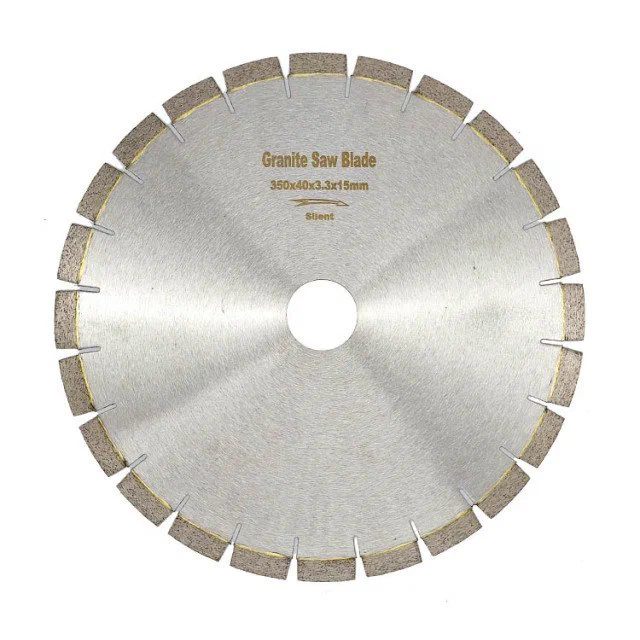
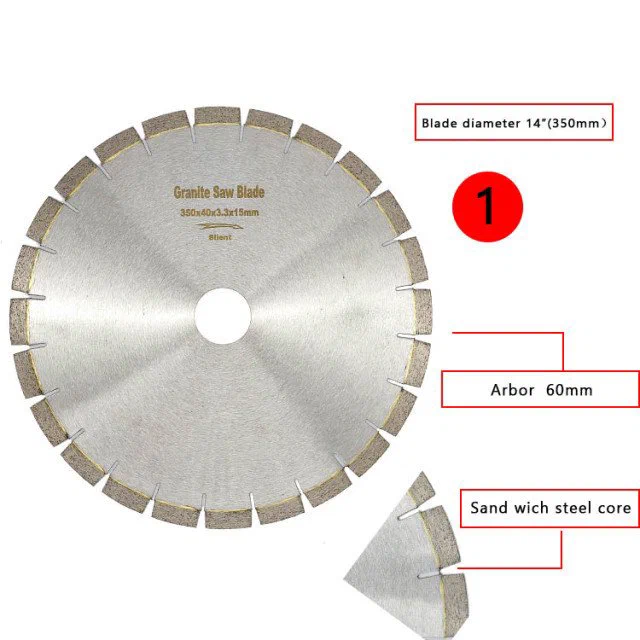
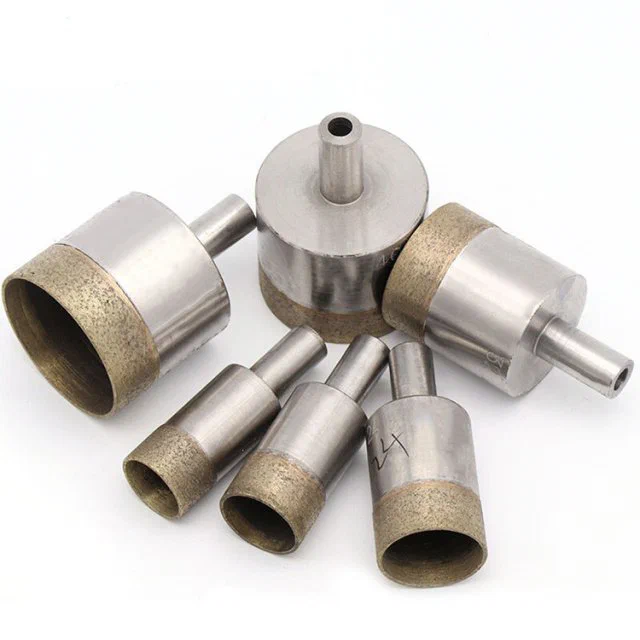
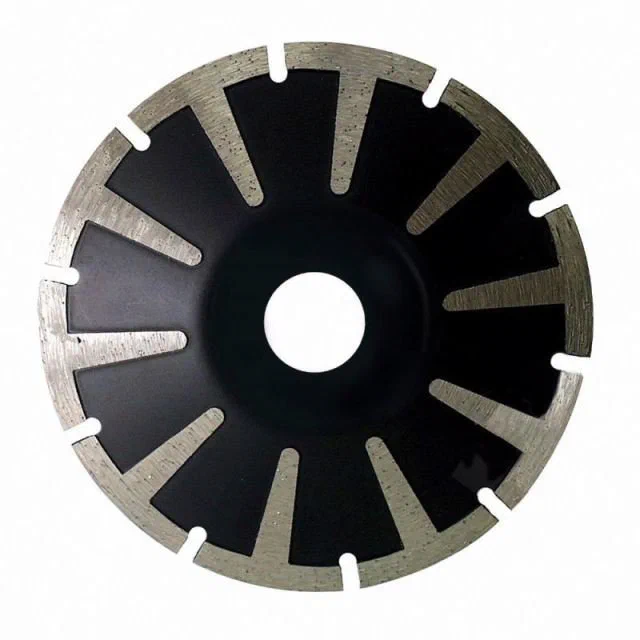
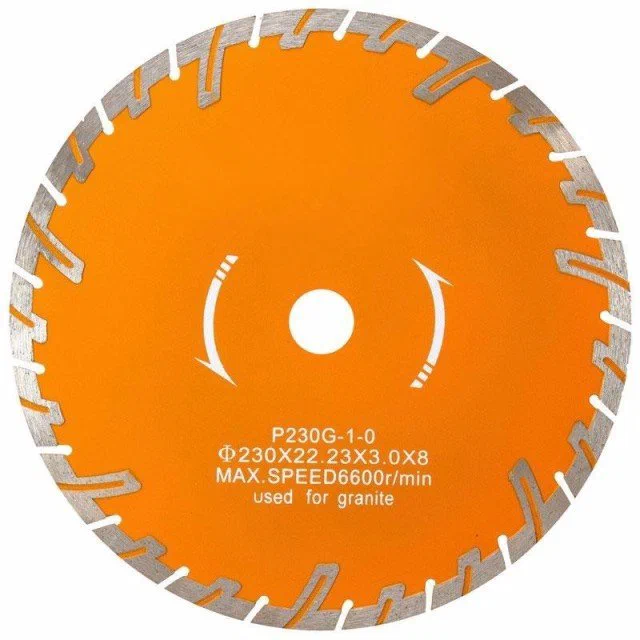
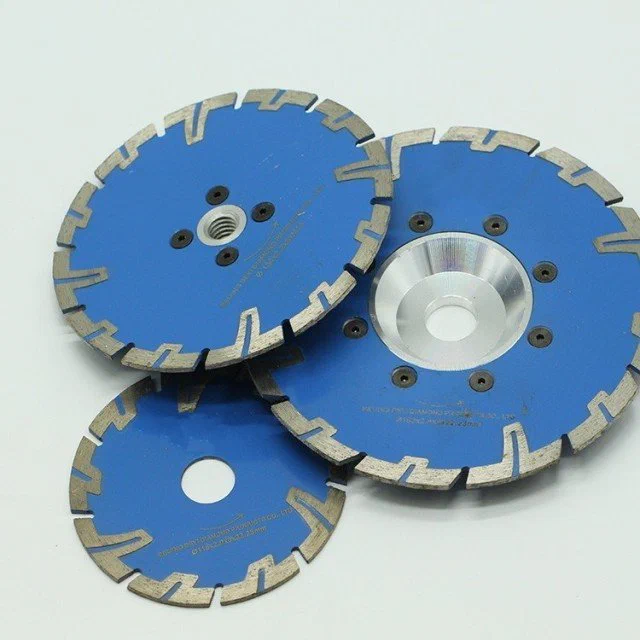
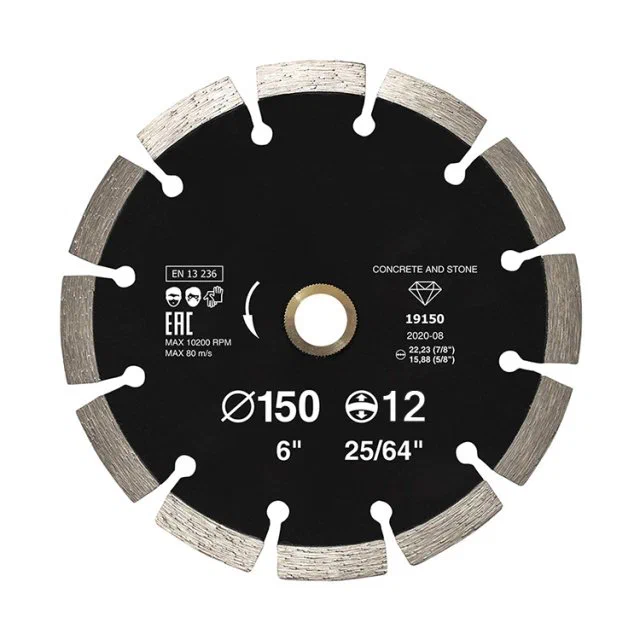
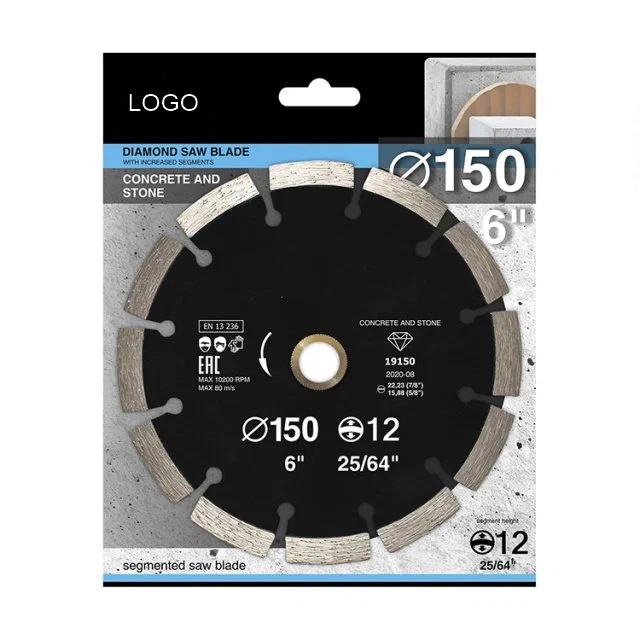
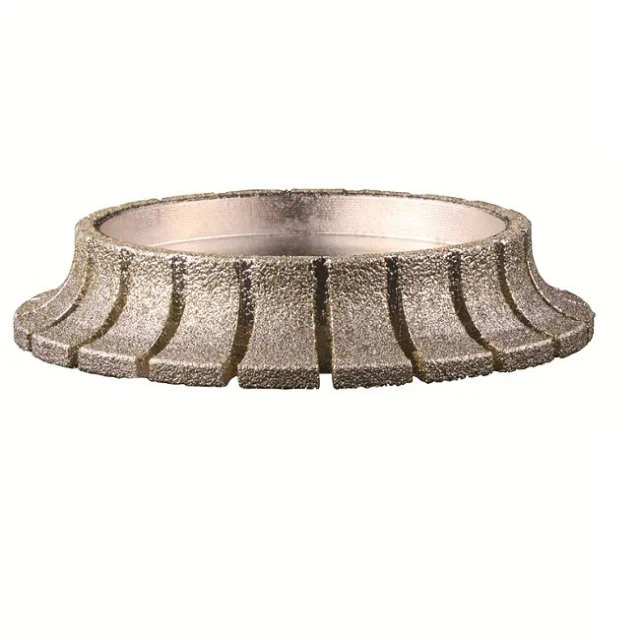
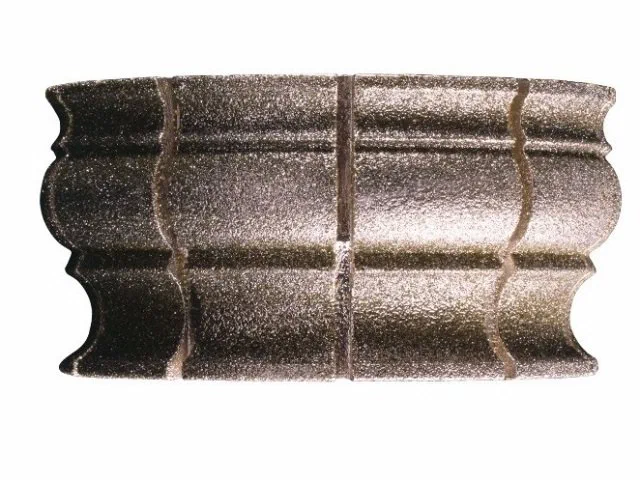
Sintering bonds diamond throughout a metal matrix, creating a deep diamond layer that wears back gradually to expose fresh cutting edges. Sintered tools suit granite, concrete, porcelain and hard stone where long life and stable cutting matter. The process supports segmented, turbo and continuous rims and allows bond hardness to be tuned to the material. Sintered blades and bits cost more than single-layer tools but deliver more cuts per tool on abrasive and high-volume work.
Products in Sintered Diamond Tools for Long Life on Hard Materials
44 Products
Frequently Asked Questions
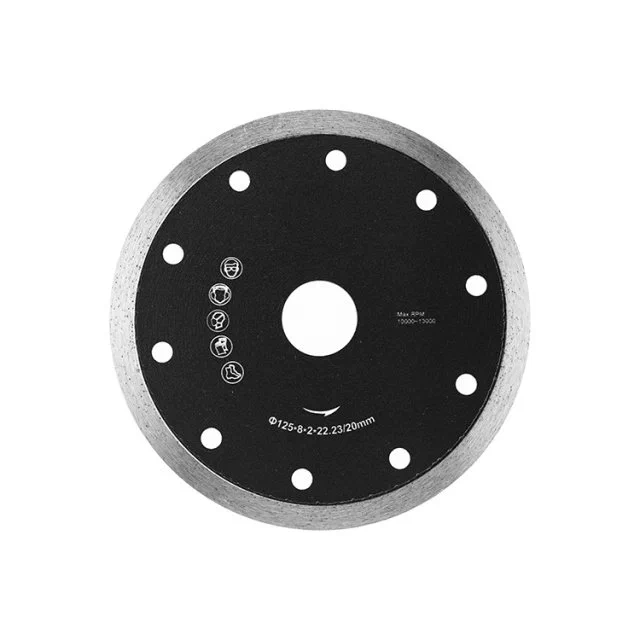
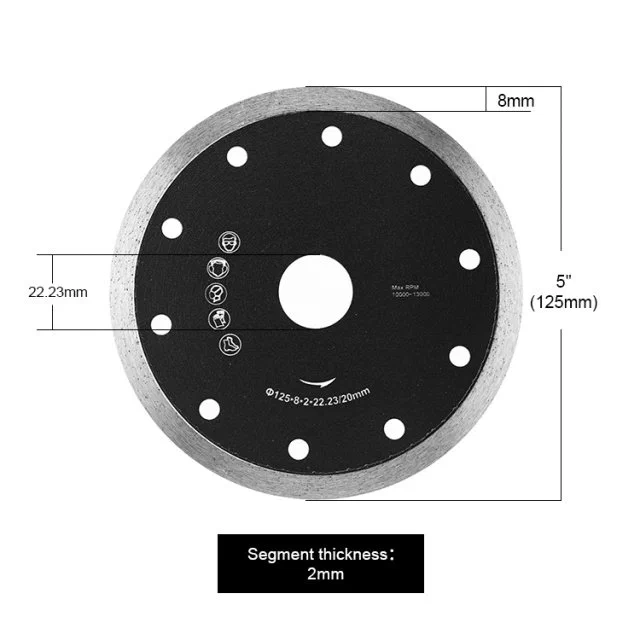
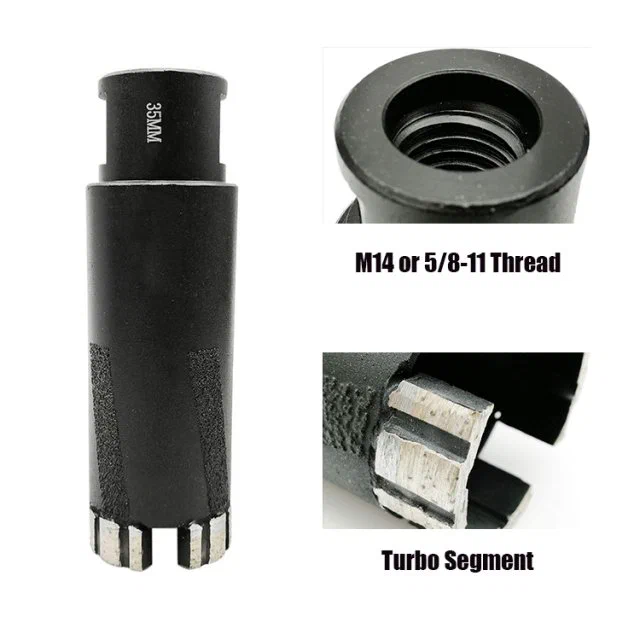
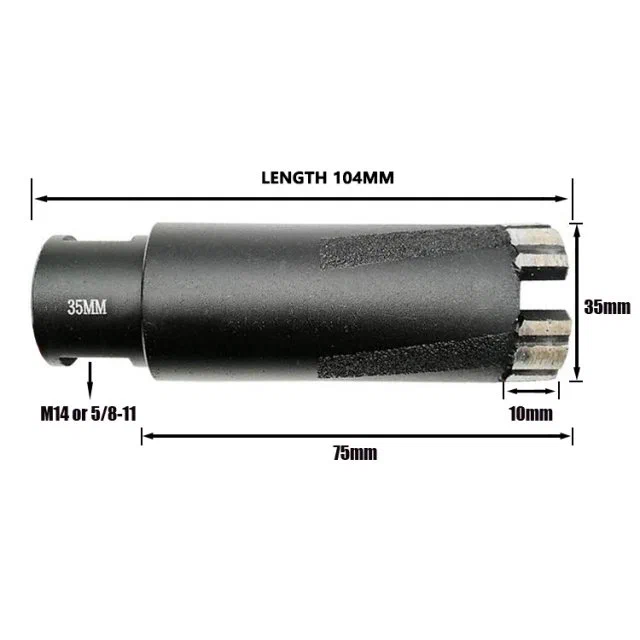
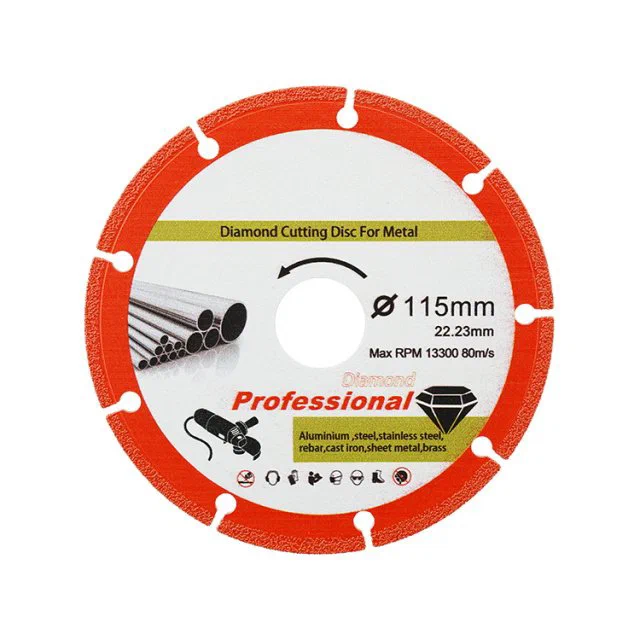
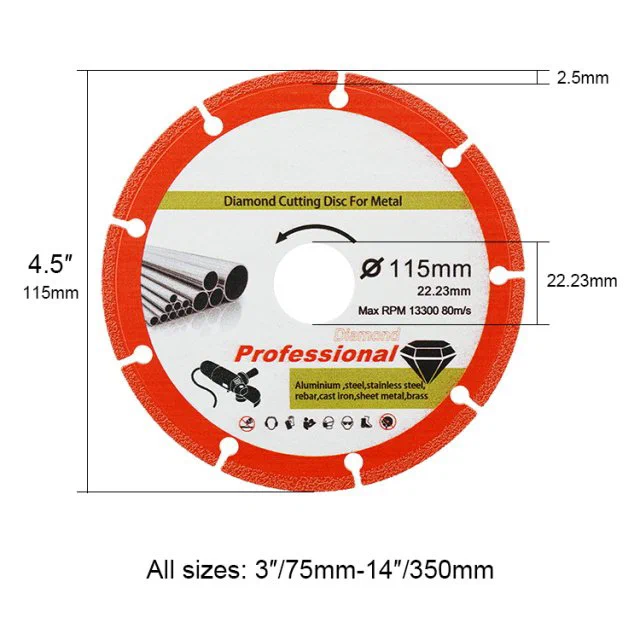
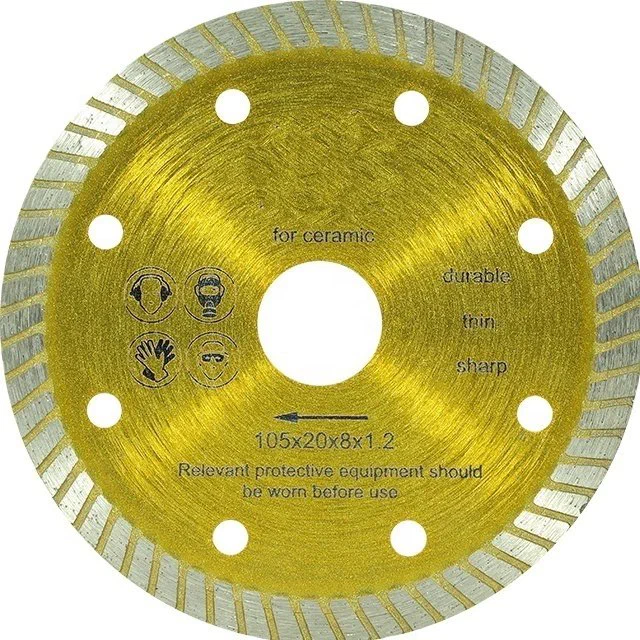
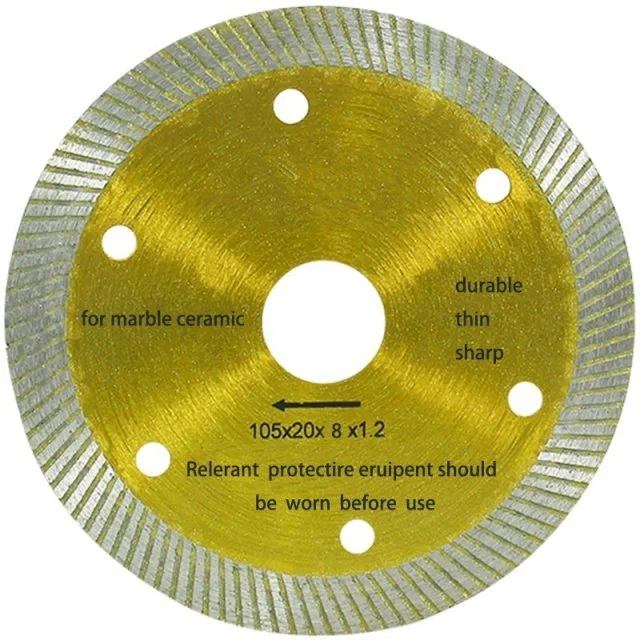
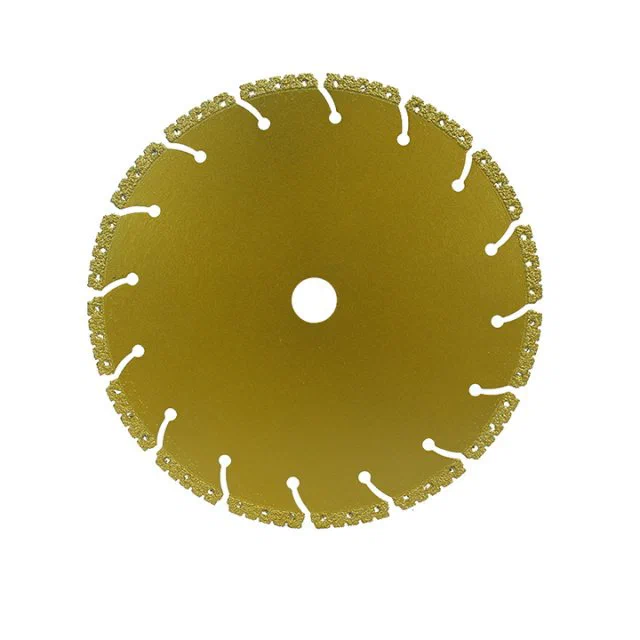
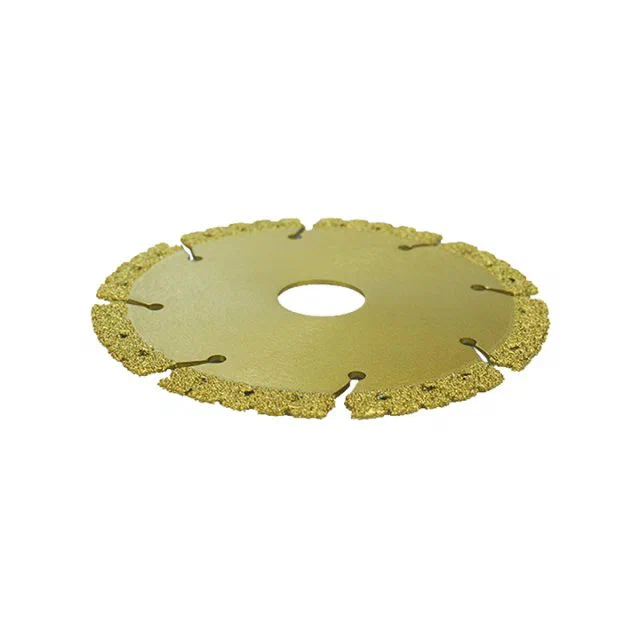
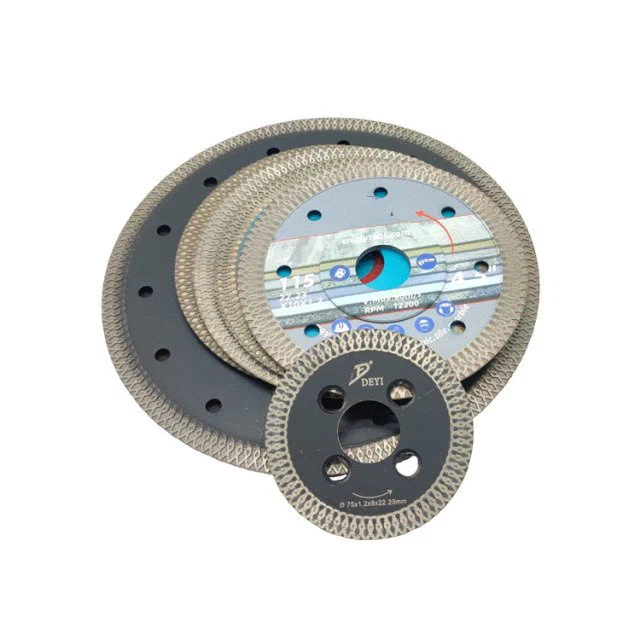
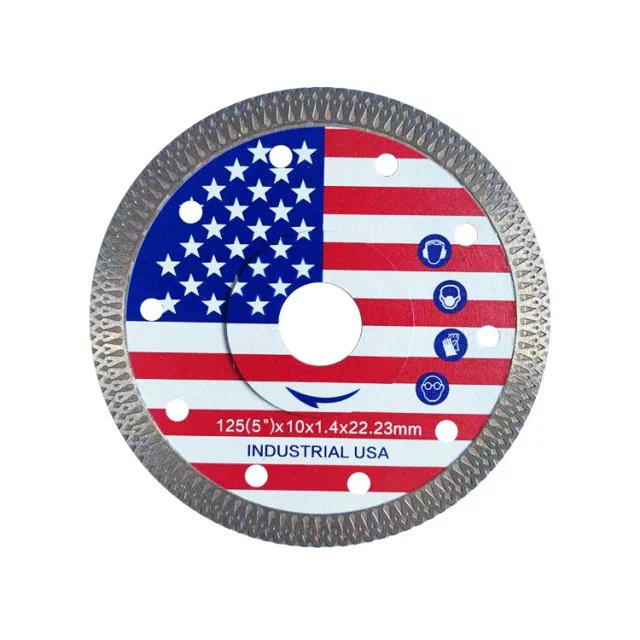
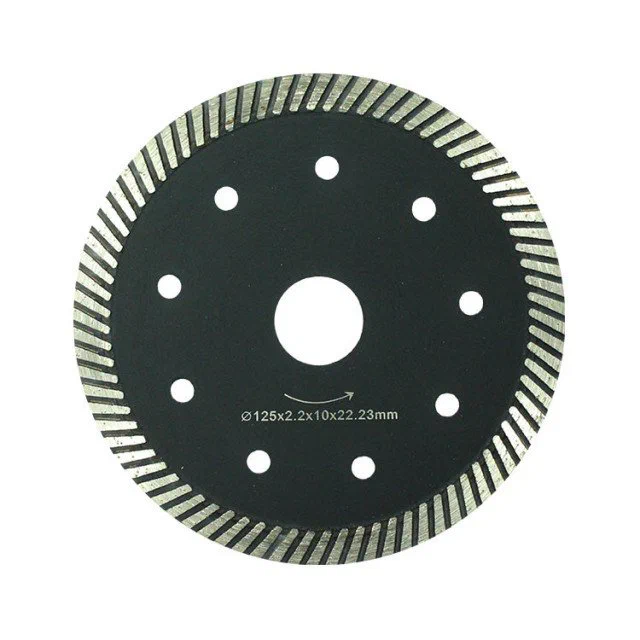
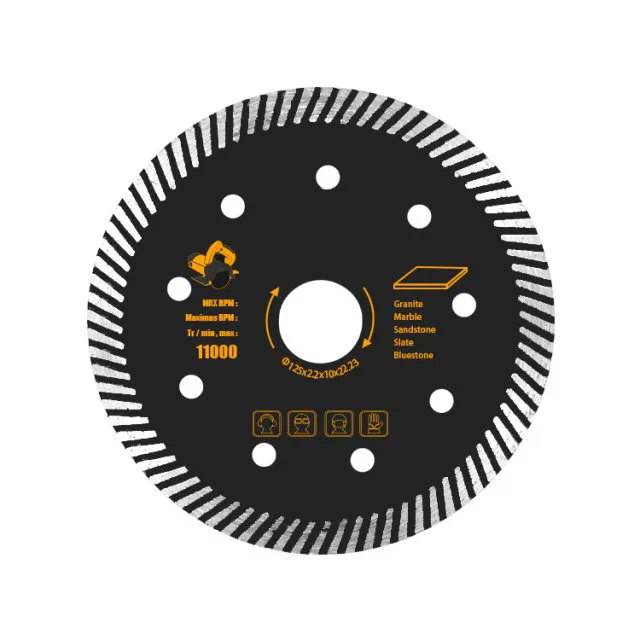
Match the rim style to the material: continuous rim for chip-free tile and glass, turbo for fast stone and concrete cuts, segmented for rough masonry, and brazed edges for wood and metal. Confirm arbor size and dry or wet rating before ordering.
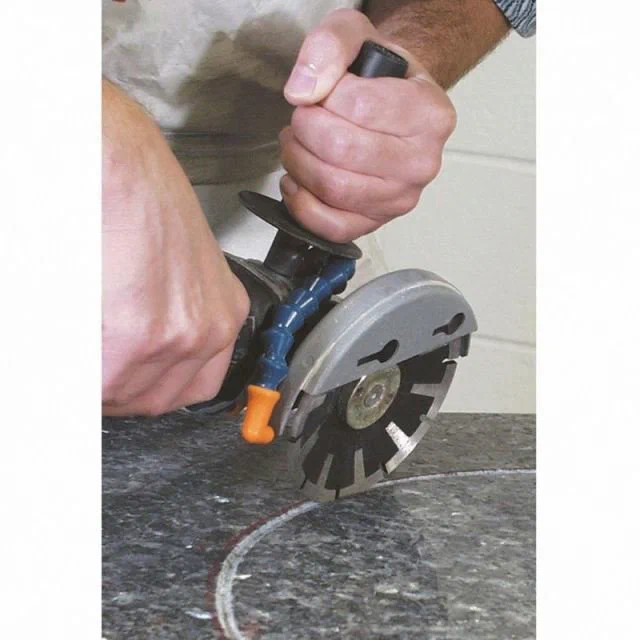
Dry cutting suits quick on-site work where water is impractical, while wet cutting controls dust and heat and improves edge quality and tool life. Never run a wet-only tool dry, and keep dry runs short to manage heat.
CE documentation is available for applicable product lines. MOQ varies by item and specification, and we quote trial quantities for new buyers alongside volume pricing.
Sintering bonds diamond throughout a metal matrix so fresh cutting edges are exposed as the segment wears. This gives long life and stable cutting on granite, concrete, porcelain and hard stone.
Softer bonds suit hard, dense material and harder bonds suit abrasive material. Tell us the material and machine so we can recommend a bond that avoids glazing or premature segment loss.
Sintered tools usually cost more because of the deeper diamond layer, but they deliver more cuts per tool on abrasive and high-volume work. The lower cost per cut often justifies the higher unit price.